
Restoring Your Trees After Severe Weather
Storms can leave a trail of destruction, and trees often bear the brunt of their force. High winds, heavy rain, and ice can snap branches, uproot trees, and cause structural damage. Properly assessing and restoring storm-damaged trees is essential for safety, property value, and the environment. Here’s a guide to navigating the process of tree recovery after severe weather, inspired by industry best practices.
Step 1: Safety First
Storm-damaged trees can pose immediate safety risks. Before taking any action:
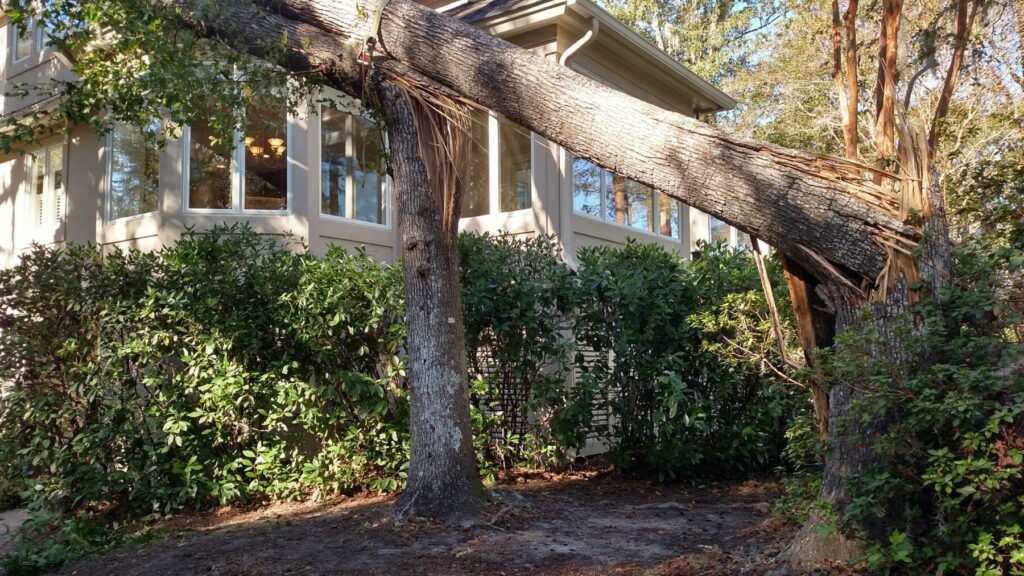
Assess Hazards: Look for hanging branches, cracked limbs, or leaning trees that might fall. Avoid working near downed power lines or unstable trees.
Secure the Area: Keep children, pets, and vehicles away from the affected area until it’s deemed safe.
Call Professionals: If a tree poses significant risks or requires large-scale removal, contact a certified arborist.
Step 2: Assess the Damage
Once the area is safe, evaluate the tree’s condition:
-
Survivability: Many trees can recover from minor damage. Trees with 50% or more of their canopy intact and minimal trunk damage have a good chance of survival.
-
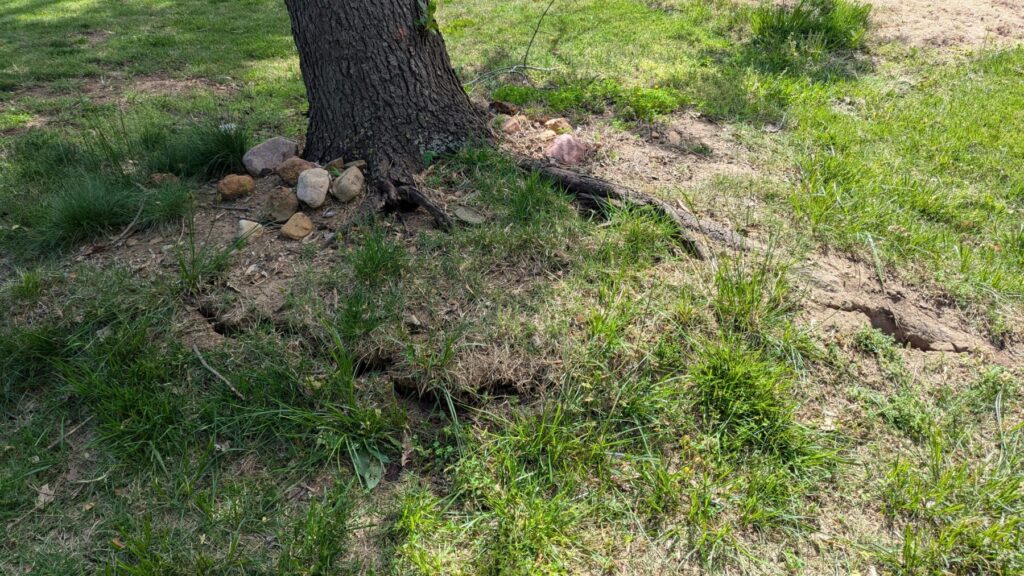
Structural Integrity: Check for split trunks, extensive bark damage, or root exposure. Trees with compromised structural integrity may not be salvageable.
-
Species Resilience: Some species are more resilient to storm damage, while others, may require more intervention.
Step 3: Clean Up and Prune
Proper pruning and cleanup are critical to prevent further damage:
Remove Broken Limbs: Cut branches cleanly at the nearest lateral branch or the trunk to reduce the risk of decay.
Avoid Over-Pruning: Leave as much healthy canopy as possible to allow for recovery.
Dispose of Debris Safely: Follow local guidelines for disposing of storm debris, such as chipping or composting.
Step 4: Provide Support
Support measures can help trees recover:
Staking and Cabling: For leaning or partially uprooted trees, use stakes or cables to stabilize them temporarily. Ensure they are not tied too tightly to avoid girdling.
Watering: Provide consistent watering to reduce stress, especially during dry periods.
Mulching: Apply a 2-3 inch layer of mulch around the base to retain moisture and regulate soil temperature, avoiding contact with the trunk.
Step 5: Monitor Recovery
Tree recovery takes time. Monitor your trees for signs of health or decline:
Vigorous Growth: Look for new shoots and leaves, which indicate recovery.
Pests and Diseases: Damaged trees are more susceptible to infestations and infections. Address issues promptly with appropriate treatments.
Structural Stability: Watch for signs of instability, such as new cracks or leaning.
Preventative Measures for the Future
Storm damage can’t always be avoided, but proactive care can reduce risks:
Regular Pruning: Remove weak or dead branches before storms occur.
Healthy Canopies: Avoid topping trees, as this weakens their structure and increases susceptibility to storm damage.
Tree Selection: Plant wind-resistant species suited to your area and avoid planting large trees too close to structures.
Annual Inspections: Schedule regular tree assessments with a certified arborist to identify potential hazards.
When to Call a Professional
Some storm damage is too severe or complex to handle alone. Call a professional if:
Large branches or entire trees need removal.
The tree is near power lines or structures.
You’re unsure about the tree’s stability or safety.
Conclusion
Restoring trees after a storm is not just about cleaning up; it’s about ensuring their long-term health and safety. By assessing damage, providing proper care, and taking preventative measures, you can help your trees recover and thrive. At Wellnitz Tree Care, we specialize in storm damage recovery and tree health management. Contact us today for professional assistance to restore your landscape and protect your property.
