
What is Japanese Maple Scale
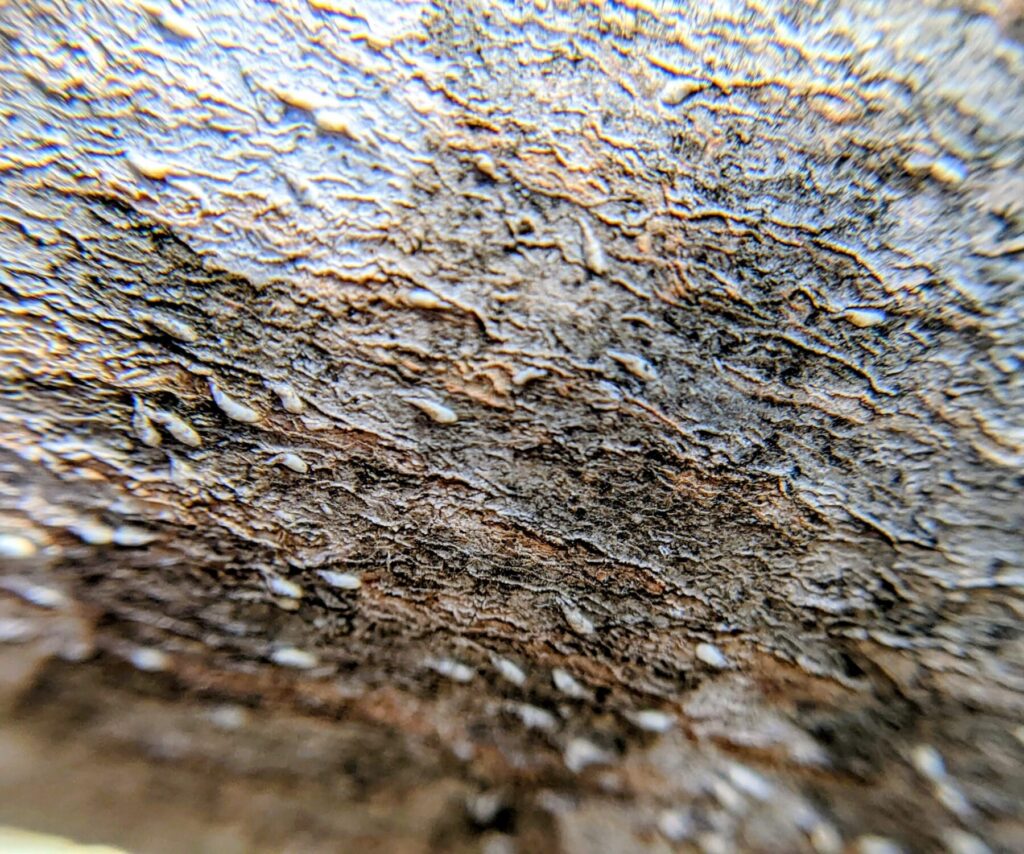
Japanese maple scale, Lopholeucaspis japonica, is a common pest that affects Japanese maple trees (Acer palmatum) and as many as 45 other genera. This scale insect is relatively small, about 1 to 2 millimeters long, with a flattened, oval body. The females have a protective shell or scale covering that is usually dark brown or black, while the males are smaller and more elongated.
Why This Scale is Difficult to Control
This is a difficult scale to control for a few very specific reasons. Crawler emergence spans several months, so treatments applied at the wrong times miss the target. Once crawlers hatch, they begin producing a waxy protective coating within about three days, creating a very narrow treatment window. On top of that, the scale itself is extremely small and blends in well with bark, making it easy to overlook during scouting. Control is most effective during the crawler stage, when the insects are exposed and vulnerable. Together, these factors make Japanese maple scale less about quick treatment and more about long-term management.
Understanding Crawler Timing and Growing Degree Days
First-generation crawlers, the newly hatched, mobile stage of the scale, begin to emerge at about 816 growing degree days (GDD) and peak around 1143 GDD, with emergence stretched out over roughly eight weeks. A second generation begins near 2500 GDD and peaks around 3022 GDD, emerging over about seven weeks. This means there is no single “spray date” that solves the problem. Monitoring is critical for control, and the type of insecticide used plays a major role in effectiveness.
Homeowners Often Miss It
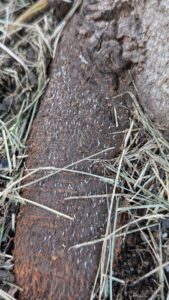
In landscapes, Japanese maple scale often goes unnoticed because it does not produce sticky residue, cause sooty mold, or leave obvious insects crawling on the leaves. Instead, it stays tight to the bark as it feeds. By the time a homeowner notices thinning foliage or branch dieback, the scale has usually been present for multiple growing seasons.
How Japanese Maple Scale Damages Trees
Damage caused by Japanese maple scale develops slowly. As the insects feed, they reduce the tree’s ability to move and store energy. Over time, this leads to a thinner canopy, smaller leaves, reduced color, and branch dieback, often starting in the upper or outer portions of the tree. Many homeowners describe these trees as looking stressed or tired rather than obviously diseased.
Stressed Trees Are More Vulnerable
Japanese maple scale causes the most visible damage on trees already under some form of stress. Compacted soils, reflected heat from hardscapes, inconsistent watering, poor planting depth, and root disturbance all increase susceptibility. A healthy tree can tolerate low levels of scale pressure, but a stressed tree gives the insect exactly what it wants, reduced defenses and fewer resources to fight back.
Sprays Often Disappoint
This pest is often frustrating for homeowners because spraying does not always produce obvious results. A waxy covering protects the insect for much of its life cycle, limiting the effectiveness of many contact insecticides. When treatments are applied outside the crawler window, control is often partial at best. Even when treatments work, dead scale frequently remains attached to the bark, making it appear as though nothing changed. Systemic insecticides, properly timed sprays, and horticultural oils are all part of our treatment strategy for this insect.
Improve Treatment Success
Successful control of Japanese maple scale usually depends on a combination of correct identification, proper timing, and repeated treatments when crawler emergence is extended. Monitoring crawler activity is more reliable than relying solely on calendar dates. Selecting insecticides that match the targeted life stage plays a major role in whether control is effective or disappointing.
Treating Japanese maple scale without addressing underlying tree stress often yields poor long-term results. Proper mulching, avoiding trunk and root damage, consistent watering during dry periods, and avoiding excessive nitrogen fertilization all help improve treatment outcomes. Healthier trees tolerate scale pressure better and respond more predictably to management efforts.
When to Call an Arborist
When Japanese maple scale is visible on the trunk or major branches, the infestation is usually well established. At that point, effective management depends on accurate identification, proper timing, the right chemicals, and follow-up. Our certified arborists can confirm the pest, monitor crawler activity, and develop a plan tailored to the tree and site. Left unaddressed, Japanese maple scale typically leads to a gradual decline over several years rather than sudden failure, which is why early evaluation and intervention matter.
