Boxwood Pests in Kansas, What They Are and How to Control Them
Boxwoods look tidy on the outside, but inside, they can be a mess of pests chewing, sucking, and tunneling. The usual suspects are boxwood leafminer, boxwood psyllid, and boxwood spider mites. Most shrubs do not have only one. They usually have all three working together to make the plant look tired. Once you know what each pest does, the pattern becomes obvious. More importantly, you can control all three with a coordinated plan.
The Three Pests
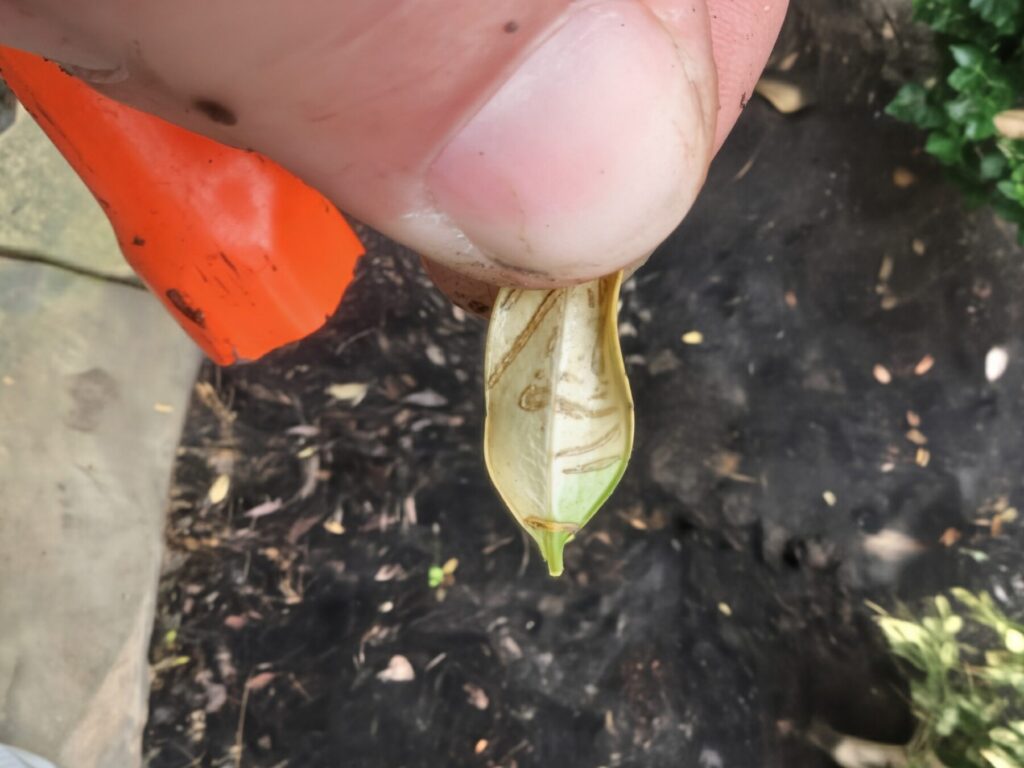
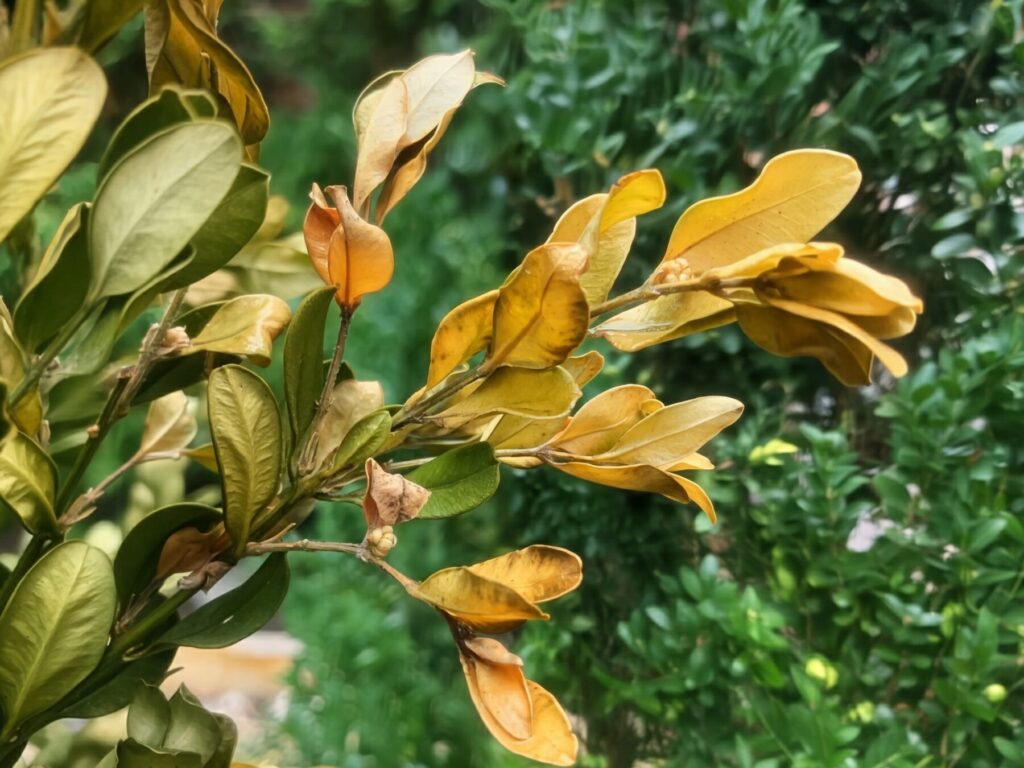
Boxwood leafminer
This pest causes the blistered, papery leaves that turn yellow or orange. The larvae feed inside the leaf, so the damage you see in spring started the previous season. Heavy infestations stack year after year and make shrubs look thin and stressed.
Boxwood psyllid
This one gives you the classic cupped leaves. The insect feeds on the new flush of growth before the leaf has hardened. Once that leaf curls, it stays curled for the season. A bad year can leave the whole plant wrinkled.
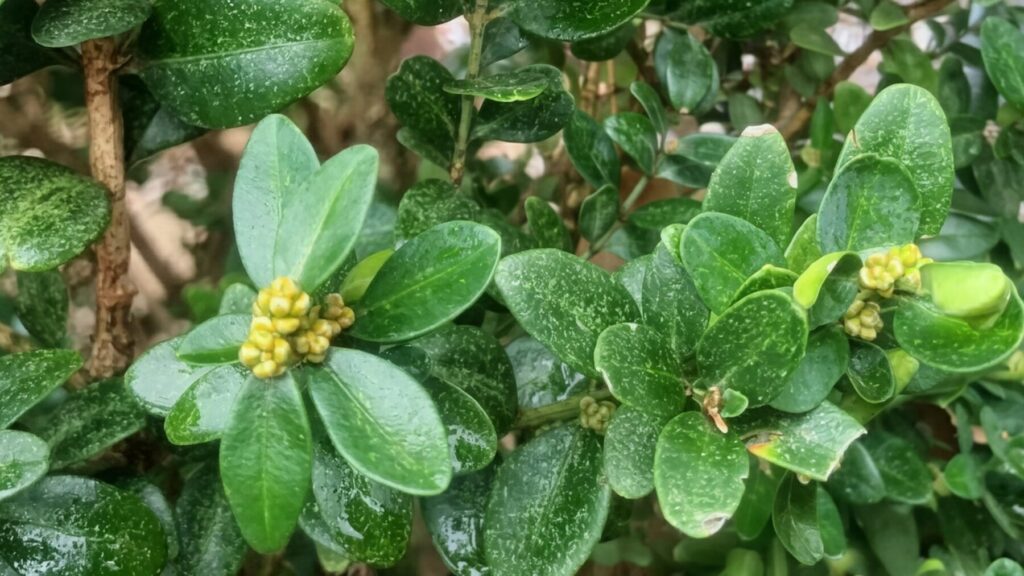
Boxwood mites
Mites rasp the leaf surface, leaving fine stippling or bronzing. They explode in hot, dry weather. Damage often shows up mid-summer and can make shrubs look dull and dusty.
How They Overlap
The reason boxwoods look rough all year is simple. Each pest peaks at a different time. Leafminers lay eggs during the spring flush. Psyllids deform that same new growth. Mites wait for the heat. By the time people notice the damage, all three pests have already done their work. A single spray in June never solves anything. You need a plan that runs through the entire growing season.
Full Management Schedule for Kansas
Early Spring, late March to early April • Apply a systemic soil drench such as imidacloprid or dinotefuran. This builds protection before leafminer adults emerge and before psyllids begin feeding. • Organic alternative, spinosad foliar spray as buds swell. This works, but it needs repetition and tight timing.
Spring Flush, late April through May • Spray spinosad or a labeled pyrethroid when leafminer adults are active. Look for small orange flies hovering around the plant. That is your sign. • Add a light horticultural oil spray to suppress early mites and psyllid nymphs hiding in cupped foliage.
Early Summer, June • Scout for mites each week. The easiest way to do this is to take a white sheet of paper and a clipboard and bang the branches over the paper. If mites are present, they will be seen crawling on the paper. If foliage shows bronzing, apply a miticide such as abamectin, bifenazate, or hexythiazox. • A second horticultural oil application can help with low-level populations.
Mid to Late Summer, July and August • Recheck mites. Kansas can push mite populations very high when the weather turns hot and dry. A second miticide may be needed. • Avoid heavy nitrogen. Soft, lush foliage makes all three pests worse.
Fall, September, or October • Apply a fall systemic drench if leafminer pressure is heavy. Fall drenches often outperform spring applications and leave foliage cleaner the following season. • Light cleanup pruning can remove the worst damaged foliage, but pruning alone never fixes the problem.
The Bottom Line
Most boxwood problems come from multiple pests piling on at once, not from a single culprit. Once the damage is visible, you are already behind. A structured program gives you a clear path to clean foliage and a healthier plant. Follow the timing. Hit each pest when it is vulnerable. Boxwoods bounce back quickly when the pressure is finally knocked down. We can help!