
Oak wilt is one of the most destructive tree diseases in the Midwest, and unfortunately, Kansas is no exception. While not widespread in the state, it is present in the northeast, especially the Kansas City Metro area. The fungal disease can spread quickly, moving from one oak to another through root grafts or insect activity, killing even mature, healthy trees within weeks. Those familiar with Dutch elm disease will recognize this deadly pattern.
Our goal is to help homeowners recognize symptoms early, prevent spread, and manage risk responsibly.
What Is Oak Wilt?
Oak wilt is caused by the fungus Bretziella fagacearum, which blocks the flow of water through a tree’s vascular system. The human equivalent would be a heart attack. Once infected, the tree can no longer transport moisture from roots to leaves, leading to rapid wilting and decline.
There are two main groups of oaks to understand:
- Red oaks (northern red, pin, Shumard, black, scarlet) – highly susceptible. Once infected, these trees usually die within a single season.
- White oaks (bur, post, swamp white, white oak) – more resistant. They can sometimes survive infection or respond to treatment if caught early.
Host Plants and Risk Factors
Oak wilt affects all members of the oak family, but red oaks are the most vulnerable.
Key risk factors include:
- Fresh pruning wounds during spring and early summer (March through July).
- Proximity to infected oaks (the fungus spreads through root grafts or sap-feeding beetles).
- Poor site drainage, soil compaction, and drought stress weaken trees’ natural defenses.
Even healthy oaks can become infected if a neighbor’s tree has oak wilt and the roots are connected underground.
Identification: Signs and Symptoms
Early recognition is critical. Here’s what to look for:
- Sudden leaf wilt and bronzing, often starting at the top of the canopy and moving downward.
- Leaves drop suddenly, sometimes while still partially green.
- Discoloration in leaf veins—they may turn brown or black.
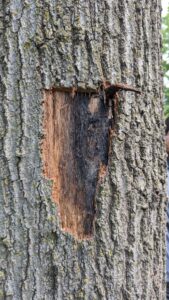
- Dark streaking under the bark, visible if you peel back the outer bark on affected branches.
- Dark fungal mats under the bark known as pressure pads.
- In red oaks, death can occur within four to six weeks of first symptoms.
White oaks decline more slowly, often showing branch dieback over multiple years.
The Life Cycle of Oak Wilt in Kansas
Oak wilt is active primarily from spring through early summer. The fungus forms spore mats beneath the bark of dead or dying red oaks. These mats produce a fruity odor that attracts sap beetles (Nitidulidae), which can carry fungal spores to fresh wounds on nearby oaks.
Once cooler weather sets in, beetle activity decreases, and the risk of new infection through wounds drops dramatically. That’s why fall and winter are the safest times to prune oaks from November through early March, before temperatures rise and beetles become active again.
Monitoring and Timing
Homeowners should regularly inspect oaks for leaf discoloration, premature leaf drop, or dead branches at the top of the canopy.
If you suspect oak wilt, avoid pruning. Contact a certified arborist for confirmation; improper pruning or wounding can make the problem worse.
Wellnitz Tree Care has trained crews and consulting arborists who can take tissue samples and help determine whether the issue is oak wilt or another stress-related decline, such as drought stress, root rot, etc.
Treatment and Management
Managing oak wilt requires both prevention and containment if discovered.
- Avoid pruning during high-risk months (March through July).
- Immediately seal any accidental wounds (from storms, lawn equipment, or broken limbs) with pruning sealant during the growing season. (One of the only times pruning seal is necessary.)
- Trench between infected and healthy oaks where root grafts are suspected. This physical barrier stops underground spread. (Success may be limited.)
- Fungicide injections – Preventive or therapeutic applications using propiconazole (a systemic fungicide) can protect high-value oaks or slow the progression in lightly infected white oaks. These treatments are done by our ISA Certified Arborists using specialized injection systems.
- Remove and properly dispose of infected trees when necessary. Logs from infected trees should not be stored or moved unless the bark is removed, as spores can still form and the sap beetles may still visit the infected tree.
Long-Term Strategy and Prevention
Prevention is always the preferred course of action.
- Schedule pruning and major maintenance in the dormant season (November–February).
- Water during droughts, and maintain a healthy mulch ring around oaks to reduce soil compaction.
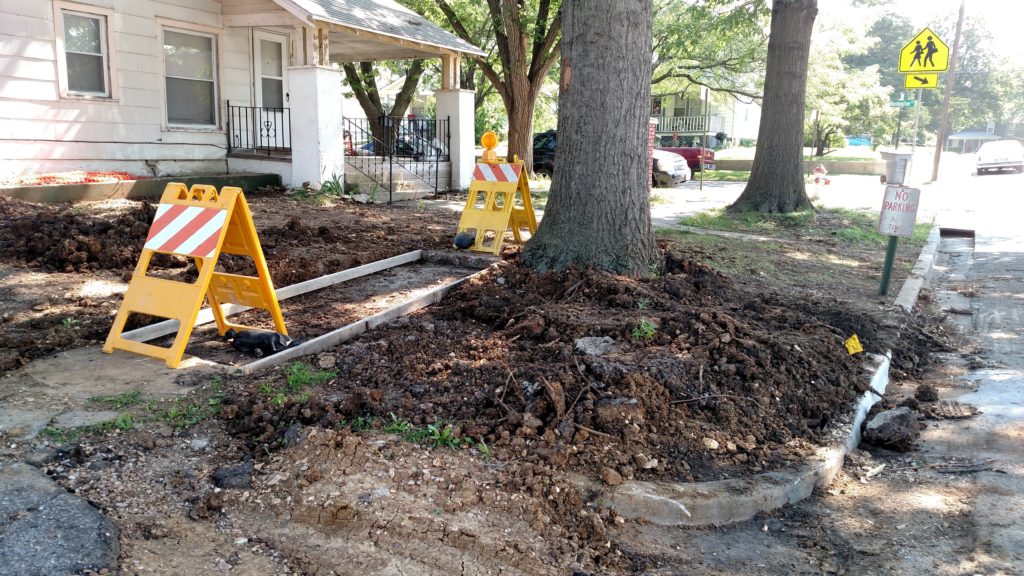
- Avoid damaging roots or trunks with lawn equipment or construction work.
- Join a preventive PHC program like Wellnitz Tree Care’s ArborThrive, which includes seasonal inspections and proactive treatments to reduce disease and insect risk.
Fall/Winter Is the Perfect Time to Prune Oaks
Late fall into winter is the safest time to prune oaks in Kansas. Sap beetles that spread the oak wilt fungus are inactive in cool temperatures, and the fungus itself is dormant.
Pruning during this window minimizes infection risk and sets your trees up for healthy spring growth.
Our crews are TCIA-accredited, ISA Certified, and trained in ANSI A300 pruning standards, ensuring each cut is made correctly and safely.
Protect Your Oaks
If you suspect oak wilt or want to schedule dormant-season pruning, contact Wellnitz Tree Care today.
We’ll assess your trees, determine the best course of action, and help ensure your oaks stay strong, healthy, and beautiful for years to come.
Find us on Facebook and Instagram for expert tips, seasonal updates, and fun facts on tree care.
